Kits Antiderrames: Must-Have Safety for Environmental Compliance
Kits Antiderrames are essential tools designed to help individuals and organizations manage spills efficiently and minimize environmental damage. As we face increasing environmental regulations and awareness, having the right spill management equipment is critical for compliance and protection. This article explores the importance of these kits, their main components, and how they contribute to environmental safety.
Understanding Spill Kits
Spill kits, often referred to as «Kits Antiderrames,» consist of an array of materials and tools intended for the immediate response to spills of hazardous substances. They are typically used in various settings, including industrial sites, construction areas, and even laboratories. Each kit is tailored to address specific types of spills, such as oil, chemicals, or general-purpose fluids.
Importance of Environmental Compliance
Adhering to environmental regulations is not just a legal obligation; it is also a moral responsibility. Organizations must proactively manage potential spill scenarios to protect ecosystems, human health, and their operations. Failure to comply can lead to severe fines, legal penalties, and lasting reputational damage. Kits Antiderrames help businesses meet these regulations by ensuring quick, effective action is taken when spills occur.
Key Components of Spill Kits
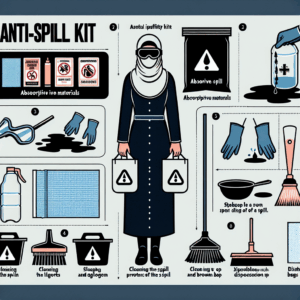
A well-equipped spill kit includes various components, each serving a specific purpose in responding to different spill scenarios. Here are some of the crucial elements:
1. Absorbent Materials:
– Absorbent Pads and Mats: These are designed to soak up spills quickly, preventing the spread of hazardous materials. They are made from materials that can absorb various liquids, including oils and chemicals.
– Socks and Booms: Ideal for containing spills, these items can be placed around the spill site to prevent further leakage into the environment.
2. Personal Protective Equipment (PPE):
– Safety gloves, goggles, and masks are essential for protecting workers responding to spills. Ensuring that responders are protected enhances safety and allows for more efficient management of the spill.
3. Containment Devices:
– Various containers and drums can be included for the storage of hazardous waste and absorbed materials, ensuring proper disposal later.
4. Disposal Bags:
– After a spill is contained and cleaned, used materials must be stored correctly. Disposal bags are specially designed to hold contaminated materials until they can be disposed of safely.
5. Instructions and Checklists:
– A well-organized kit should include clear instructions on how to handle different types of spills and a checklist for responding quickly and effectively.
Types of Kits Antiderrames Available
Different environments require specific spill response solutions. Here are a few types of spill kits:
– Hazardous Waste Kits: These are designed for environments with toxic chemicals and include advanced absorbents and PPE.
– Oil-Only Kits: Ideal for marine environments or industries dealing with oil spills, these kits have specialized materials that absorb oil while repelling water.
– Universal Kits: These are versatile and can handle a wide range of spills, making them suitable for general use in many sectors.
Best Practices for Using Kits Antiderrames
To maximize the effectiveness of spill kits, organizations should adopt certain best practices:
1. Regular Training: Employees should be trained on how to use spill kits effectively. Regular drills can ensure that workers are familiar with the process, significantly reducing response time during an actual spill.
2. Maintenance and Inspection: Kits should be regularly checked to ensure they are fully stocked and that the materials have not expired. A well-managed kit will always be ready for immediate deployment.
3. Location Awareness: Spill kits should be easily accessible and strategically placed in areas where spills are most likely to occur. This encourages prompt action when a spill happens.
4. Environmental Consideration: When disposing of absorbed materials, make sure to follow local regulations to mitigate further environmental impact.
Conclusion
Kits Antiderrames are more than just a regulatory requirement; they are a cornerstone of environmental responsibility. By equipping workplaces with the right tools and adopting best practices in spill response, organizations can ensure compliance while protecting our environment for future generations. Investing in spill kits not only safeguards the ecosystem but also fosters a culture of safety that can enhance overall operational efficiency.